Friday, February 23, 2024

Unraveling the Wellness Check Aftermath: A Comprehensive Guide in Massachusetts

 Did you know that nearly 85% of adults in Massachusetts have a regular wellness check each year? That's an impressive statistic, right?

But there's a catch. Navigating the aftermath of these checks - understanding your doctor's recommendations, scheduling follow up appointments, securing prescribed medications, and tweaking your lifestyle habits - is often more challenging than the check-up itself.

So, how should you proceed once your wellness check is over? Stay with us and we'll guide you through this often-overlooked aspect of your healthcare journey.



Understanding Doctor's Recommendations

Grasping your doctor's advice post-wellness check can significantly impact your health, so it's crucial to understand their recommendations thoroughly. It's a given that medical technology advancements have amplified the potential for personalized healthcare, but they've also made medical advice more complex. When your doctor uses terms like 'genomic sequencing' or 'AI-assisted diagnostics', it can be daunting. Yet, these technologies have the potential to catch diseases early and tailor your treatment plans, so don't be afraid to ask for clarifications.

Simultaneously, you need to navigate the health insurance intricacies. Your doctor's recommendations might involve procedures or medications that, while beneficial, could be costly. Understanding your health insurance policy is vital to avoid unexpected out-of-pocket expenses. Learn the terms: co-pay, deductible, out-of-network, and pre-authorization. Know what your insurance covers and what it doesn't. If you're unsure, reach out to your insurance provider for clarity.

Scheduling Follow-Up Appointments

Once you've decoded your doctor's advice and navigated through your health insurance policy, it's essential to ensure continuity in your health care by promptly scheduling follow-up appointments as recommended. This step isn't only critical for maintaining your health but also for effective time management.

Let's delve into why this is so crucial. Studies indicate a strong correlation between regular follow-ups and better health outcomes. These appointments allow your doctor to monitor your health closely, adjust treatment plans if necessary, and catch any potential complications early. Appointment reminders serve as a helpful tool in this process, acting as a nudge to keep you on track.

However, managing these appointments can be a complex task. One needs to strike a balance between their personal and professional commitments and healthcare needs. This is where time management plays a vital role. Utilize digital tools like Google Calendar or reminder apps to schedule your appointments effectively. They'll help you avoid clashes with other commitments and ensure you never miss an appointment.

Procuring Prescribed Medications

Securing your prescribed medications is a crucial step in following through with your doctor's treatment plan, as each pill, capsule, or liquid form carries the potential to alleviate your symptoms, treat your condition, or even save your life. However, medication affordability and prescription adherence can present significant challenges.

To manage these challenges, you need a strategic approach:

  • Shop around: Different pharmacies can offer the same medication at varying prices. Don't shy away from comparing costs.
  • Request generic versions: They're often significantly cheaper than brand-name drugs but just as effective.
  • Explore assistance programs: Many pharmaceutical companies and non-profit organizations offer programs to help with medication costs.
  • Stay organized: Use pill organizers, reminders, or apps to ensure prescription adherence.

Studies reveal that 20-30% of prescriptions are never filled, and approximately half aren't continued as prescribed. These statistics underscore the importance of affordability and adherence. By employing the above strategies, you're more likely to gather your medications without breaking the bank and adhere to your doctor's instructions, ensuring better health outcomes. Remember, your wellness journey goes beyond the doctor's office – it's about taking proactive steps towards your health.

Adopting Healthier Lifestyle Habits

You're ready to turn over a new leaf by adopting healthier lifestyle habits, aren't you?

Research indicates that making informed nutrition and diet choices can significantly improve your overall health.

Coupling this with regular exercise and effective mental health management strategies, you're on the right track to a healthier you.

Nutrition and Diet Choices
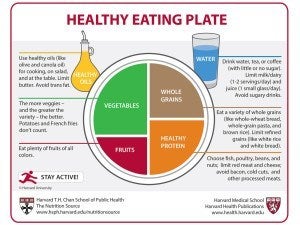
Adopting healthier lifestyle habits such as balanced nutrition and diet choices can significantly improve your overall wellbeing, as evidenced by numerous studies linking proper eating habits to increased longevity and reduced risk of chronic diseases. Sustainable eating practices promote not only your health but also the health of the planet. Being aware of food allergies is equally important, as it can prevent adverse reactions and promote food safety.

To guide you, here are some tips:

  • Incorporate a variety of fruits, vegetables, whole grains, and lean proteins into your diet.
  • Be aware of food allergens and read food labels carefully.
  • Practice sustainable eating by choosing locally sourced, seasonal, and organically grown foods.
  • Limit intake of processed foods, sugars, and unhealthy fats.

This holistic approach will provide the nutrition your body needs and support your overall wellness.

Regular Exercise Importance

In the same vein as making mindful dietary choices, incorporating regular exercise into your daily routine is another crucial aspect of adopting healthier lifestyle habits. Establishing a well-rounded fitness routine can significantly improve your overall health. Exercise benefits are vast and include improved cardiovascular health, increased energy levels, and enhanced mood.

It's not only about weight loss or muscle gain; it's also about promoting overall well-being. Harvard Health reports that as little as 15 minutes of physical activity a day can increase your lifespan by three years. So, whether it's a brisk walk, an intense gym session, or a quick yoga flow, your body will thank you.

Mental Health Management

Managing your mental health effectively plays a pivotal role in maintaining a healthier lifestyle. Research evidence suggests that proactive habits such as mindfulness, adequate sleep, and social connections can significantly reduce stress and improve overall well-being.

There are several strategies you can adopt for better mental health management:

  • Mindfulness: This involves being present and fully engaged with whatever you're doing. It's beneficial for stress management.
  • Adequate Sleep: Quality rest resets your brain, which improves concentration and productivity.
  • Social Connections: Building strong, positive relationships can provide emotional support and reduce feelings of isolation.
  • Therapeutic Hobbies: Activities like painting, reading, or gardening can provide relaxation and help manage anxiety and depression.

Embracing these habits can significantly contribute towards your mental health.

Monitoring Key Health Indicators

To ensure optimal wellness, you'll need to pay close attention to key health indicators such as blood pressure, cholesterol levels, and BMI, given their proven correlation with overall health outcomes. Health tech advancements have made it easier than ever to keep track of these indicators, enabling more personalized wellness plans.

High blood pressure, for instance, can increase your risk of heart disease and stroke. Regular monitoring can alert you to changes, allowing for timely interventions to manage the condition. Similarly, high cholesterol levels, if left unchecked, can lead to atherosclerosis, a condition where arteries harden and narrow, increasing the risk of heart disease.

Your body mass index (BMI), a calculation based on height and weight, is another indicator to watch. A high BMI can signal overweight or obesity, conditions linked to serious health problems like type 2 diabetes, heart disease, and certain cancers.

In a nutshell, monitoring these key health indicators can provide valuable insights into your health status, helping to shape personalized wellness plans. With the assistance of health tech advancements, you can track these indicators conveniently, take proactive steps towards improved health, and ultimately, enhance your overall wellness.

Effectively Communicating Health Concerns

Clear and open dialogue with your healthcare provider plays a pivotal role in addressing any health concerns you might have. This communication is a two-way street, where both parties need to understand and be understood. Patient empowerment and health literacy significantly influence this process.

So, how can you effectively communicate your health concerns? Here are some practical steps:

  • Prepare for your appointment: Write down your symptoms, worries, and questions beforehand. This preparation will help you articulate your concerns better and make the most of your limited time with the doctor.

  • Speak openly and honestly: Don't hold back information due to fear or embarrassment. Your doctor's understanding of your condition depends on your transparency.

  • Ask for clarification: If you don't understand a term or instruction, don't hesitate to ask your doctor to explain it in simpler terms. This practice promotes health literacy.

  • Provide feedback: Let your doctor know if a treatment or advice is working or not. This feedback can help adjust your wellness plan as necessary.

Strategies for Maintaining Wellness

You can't overlook the significance of regular physical activity—it's been proven to increase your lifespan, reduce disease risk, and boost mental wellness.

Incorporating a balanced diet complements this, providing essential nutrients for overall health and reducing susceptibility to chronic illnesses.

Don't forget about your mental health, though: consistent care in this area is equally important, with evidence linking poor mental health to a range of physical ailments.


Physical Activity Importance

Physical activity plays a pivotal role in maintaining overall wellness, with numerous studies affirming its benefits ranging from improved cardiovascular health to enhanced mental well-being. Outdoor workouts improve physical health, boost mood, and reduce stress levels.

Embracing fitness technology can also enhance your wellness journey. Here are some strategies:

  • Utilize fitness apps for guided workouts.
  • Invest in wearable technology to monitor heart rate and calories burned.
  • Join online fitness communities for motivation.
  • Explore virtual reality workouts for a unique experience.

Balanced Diet Benefits

In tandem with regular physical activity, adhering to a balanced diet is a crucial strategy for maintaining optimal wellness, given its proven benefits for both physical and mental health. You should consider any dietary restrictions you may have and adjust your meal plans accordingly.

Consuming a variety of nutrient-dense foods can help meet your nutritional needs and reduce the risk of chronic diseases. If you can't meet your nutrient requirements through food alone, considering nutritional supplementation could be beneficial. However, it's important to consult with home health professionals before starting any supplement regimen.

Mental Health Care

Shifting focus to mental health care, it's crucial to understand that maintaining wellness involves a multifaceted approach, incorporating both self-care practices and professional care when necessary. Mental health is a critical component of overall wellness and shouldn't be overlooked.

Here are some strategies for maintaining mental wellness:

  • Regular exercise: It's proven to reduce stress and improve mood.
  • Balanced diet: Good nutrition significantly impacts mental health.
  • Therapy benefits: Regular sessions with a mental health professional can provide tools to manage stress and anxiety.
  • Stigma reduction: Open conversations about mental health can help reduce the stigma, making it easier for individuals to seek help when needed.

Documentation of Important Medical Data

Documenting your crucial medical data can play an indispensable role in ensuring effective wellness checks, given its ability to provide critical insights into your health history and current health status. This process not only aids in Emergency Preparedness but also contributes to the creation of Advance Directives, both of which are crucial for your overall wellness strategy.

Accurate recording of medical information, such as current medications, allergies, and past surgeries, can expedite emergency response times, facilitating prompt and appropriate care. Moreover, with the right data, healthcare professionals can make informed decisions, reducing the risk of clinical errors or misdiagnoses.

Simultaneously, Advance Directives are legal documents that highlight your healthcare preferences in the event that you're unable to communicate or make decisions. They encompass a living will and health care proxy, allowing you to maintain control over your medical path.

Proper data documentation can significantly enhance the effectiveness of these directives, ensuring your wishes are accurately represented and followed. Thus, in the context of wellness checks, the strategic documentation of crucial medical data emerges as a powerful instrument in managing your health trajectory. It's not just about record keeping, it's about proactive health management.

Frequently Asked Questions

In Massachusetts, not following your doctor's recommendations can have legal consequences, especially if it worsens your condition. However, patient rights allow you to refuse treatment. It's a delicate balance of responsibility and autonomy.

Are There Any State-Sponsored Programs in Massachusetts to Help With the Cost of Prescribed Medications?

Yes, there are. You can apply for prescription subsidies through state-sponsored programs like Prescription Advantage in Massachusetts. Additionally, the Medication Assistance Program can help with cost reduction for certain prescribed medications.

What Are the Potential Repercussions of Missing Follow-Up Appointments?

If you miss follow-ups, it's a risky game. Appointment importance isn't trivial. Patient accountability is key. Consequences can include poor health outcomes, mismanaged medication, and even termination of care. Don't gamble with your wellbeing, keep those appointments.

How Does the Massachusetts Healthcare System Support Individuals in Adopting Healthier Lifestyle Habits?

You're supported by Massachusetts's healthcare system through preventive measures and health education. They offer programs promoting healthy eating, exercise, and regular check-ups, helping you adopt healthier lifestyle habits effectively.

What Resources Are Available in Massachusetts to Help Individuals Understand Their Key Health Indicators?

In Massachusetts, you've got Health Tech Innovations and Fitness Initiatives at your disposal. They provide tools and programs to understand key health indicators like BMI, blood pressure, and cholesterol levels effectively.

Monday, February 19, 2024

Unlocking Health: Navigating Your Wellness Checks in Massachusetts

By pure coincidence, you've decided it's time for a wellness check in Massachusetts just as we're discussing how to navigate that process. It's not as daunting as you might think, but there are a few things you should know to make the experience smoother and more beneficial to your health.

We're about to explore how to identify reputable providers, initiate contact, and effectively request a wellness check. But what happens after you've scheduled your appointment, and how can you be sure you're getting the most out of it? There's much more to uncover.


Wellness Checks in Massachusetts


Identifying Reputable Massachusetts Providers

There are countless healthcare providers in Massachusetts, but identifying the most reputable ones can significantly enhance your wellness check experience. It's crucial to consider two key things: 'Provider Accreditation' and 'Medical Specialties'.

Provider Accreditation is a seal of approval that demonstrates a healthcare provider's commitment to quality and safety. It's your assurance that the provider meets or exceeds industry standards. So, when you're looking around, don't forget to check if they're accredited by recognized bodies like the Joint Commission or the American Board of Medical Specialties.

On the other hand, understanding medical specialties is essential to identify the right provider for your specific needs. For instance, if you're dealing with heart issues, you'd want a cardiologist. Likewise, for bone-related concerns, an orthopedic specialist is your best bet.

Initiating Contact With Providers

Once you've identified your preferred healthcare provider in Massachusetts, it's important to initiate contact and set up your wellness check. This step is key in establishing provider communication and activating patient autonomy.

Now, you might be wondering, 'What's the best way to go about this?' Here's a simplified guide:

  1. Phone Call: Most healthcare providers offer a contact number for new patients. Make sure to prepare any questions or concerns you may have beforehand.

  2. E-mail: If you're more comfortable with written correspondence, look for an email address. This option also allows you to clearly state your needs and requests.

  3. Patient Portal: Many healthcare organizations in Massachusetts offer digital platforms. These portals can streamline communication, and often include options to schedule appointments.

  4. In-person Visit: If it's convenient, consider visiting the office directly. This can provide a tangible sense of the provider's environment.

Requesting a Wellness Check Properly

After establishing initial contact with your chosen healthcare provider, it's crucial to know how to properly request your wellness check. Often, you might feel uncertain about the process which is why understanding check request etiquette is paramount.

To begin with, be respectful while making your request. Specify the type of check you're seeking and the reasons behind it. If there's a specific concern, mention it. Be flexible with scheduling to accommodate the healthcare provider's availability, while also asserting your own time constraints.

However, don't let wellness check myths deter you. One common misunderstanding is that these checks are only for those feeling unwell. In reality, they're preventative measures to identify potential health issues early. Another myth is the fear of being judged for your lifestyle or health choices. Remember, providers are there to help you, not judge you.

Lastly, always confirm your appointment after scheduling it. It's a simple step that ensures you're on the same page with your provider.

Requesting a wellness check might seem daunting but with the right etiquette and knowledge, you can navigate this effectively and take charge of your health.

Validating Insurance Coverage

Before you book your wellness check, it's crucial to validate your insurance coverage.

You'll need to fully comprehend your policy, be aware of any potential coverage gaps, and understand how to navigate insurance claims.

Let's break down these components to help you avoid unexpected costs and maximize your wellness benefits.

Validating Insurance Coverage for Wellness Checks


Understanding Your Policy

To ensure a smooth wellness check in Massachusetts, it's crucial to validate your insurance coverage and thoroughly understand your policy.

Here are four key things to focus on:

  1. Policy Options: Review the various plans offered by your insurer. This will help you identify the best coverage to meet your health needs.

  2. Policy Changes: Keep an eye out for any updates that might affect your coverage. Your policy may change annually, so stay informed.

  3. Financial Obligations: Understand your copayments, deductibles, and out-of-pocket maximums to avoid unexpected costs.

  4. Coverage Details: Know what services are covered under your plan, including preventative care, hospitalizations, and prescriptions.

Potential Coverage Gaps

Even with a solid understanding of your policy, you might still encounter potential coverage gaps, so it's important to validate your insurance coverage regularly. This involves checking for coverage limitations that may not pay for certain types of treatments or conditions.

You'll also need to be aware of out of network concerns - the costs can be significantly higher if you visit a healthcare provider that's not within your plan's network. Don't assume that all services or procedures are covered, even if they're medically necessary. Always verify your coverage before scheduling any procedure or treatment.

In Massachusetts, you have the right to appeal any insurance company's decision to deny coverage. Stay informed, proactive, and safeguard your health.

Understanding your policy and potential coverage gaps is just half the battle; it's equally critical to know how to navigate insurance claims effectively in Massachusetts.

  1. File your claim promptly: Don't delay in submitting your claims to your insurer. It's crucial to meet the deadline to avoid claim disputes.

  2. Understand your policy: Be clear about what's covered and what's not. If you're unsure, seek clarification.

  3. Keep records: Document every consultation, test, or procedure you've undergone. These records can support your claim and make insurance negotiation smoother.

  4. Dispute denials: If your claim is denied, don't accept it outright. Look into the reasons for denial, and if necessary, appeal the decision.

Mastering Appointment Scheduling

After sorting out your insurance, it's time to get a handle on appointment scheduling. Mastering online booking techniques can save you time and lessen stress.

It's also important to understand that timing and flexibility can make the difference in getting the appointment slot you want.

Online Booking Techniques

Mastering the art of online booking for your wellness check can streamline your healthcare experience and ensure you secure the most convenient appointment times. With digital accessibility and telehealth services on the rise, you're just a few clicks away from your next appointment.

Here are four key steps to guide you:

  1. Choose a platform: Many healthcare providers offer online booking through their websites or mobile apps. Find the one that suits you best.

  2. Create an account: This often involves providing your email and creating a password.

  3. Select your preferred date and time: Ensure the slot fits into your schedule.

  4. Confirm your appointment: You'll typically receive an email or text message confirmation.

Timing and Flexibility

In the realm of wellness checks, effective management of your schedule hinges on your ability to be both timely and flexible. Wellness timing is crucial; it's not just about punctuality but also about fitting these appointments into your busy life.

Appointment flexibility, on the other hand, allows you to adapt to unforeseen circumstances. Say, an unexpected work meeting arises, having a flexible schedule will let you adjust your appointment without causing too much stress.

Preparing Adequately for Your Visit

To ensure your wellness check goes smoothly, it's crucial to prepare adequately for your visit. One significant aspect of your preparation should include a review and understanding of your personal health records. These records act as a roadmap to your health history and serve as a guide for your healthcare provider in formulating effective disease prevention strategies.

Here's a simple four-step guide to help you prepare:

  1. Organize Your Personal Health Records: Gather all your health-related documents, including previous medical reports, prescriptions, immunization records, and any details of chronic conditions or surgeries. This comprehensive view of your health history aids your healthcare provider in assessing your current health status.

  2. Understand Your Health Risks: Review your family history for any hereditary conditions. This can help your provider devise a personalized disease prevention strategy for you.

  3. Prepare Your Questions: Jot down any health-related queries you may have. This ensures you don't forget to ask about them during your visit.

  4. Be Ready to Discuss Lifestyle Choices: Your diet, exercise regimen, smoking or drinking habits can influence your health. Be prepared to discuss these aspects openly with your doctor.

Ensuring Attendance to Appointments

Once you've prepared adequately for your visit, it's equally important to ensure that you attend all scheduled appointments. It's not just about being responsible; it's about taking steps to safeguard your health. Appointment reminders can play a crucial role in this process. These can be in the form of emails, text messages, or phone calls, and they usually include the date, time, and location of your appointment.

But remember, reminders are only as effective as your capacity to respond to them. So, make sure you keep your contact information up-to-date and set aside time for your appointments. Don't let your busy schedule get in the way of your health.

Transportation logistics can also play a significant part in ensuring appointment attendance. Having a reliable transportation plan will prevent any last-minute hitches that might prevent you from attending your appointment. This could involve arranging a ride with a family member or friend, using public transportation, or taking advantage of medical transport services if you're eligible.

In a nutshell, proactive measures like utilizing appointment reminders and sorting out transportation logistics can help you attend all your appointments, ensuring that you stay on top of your health.

Understanding Post-Visit Instructions

After your wellness check, it's crucial to fully comprehend the instructions given by your healthcare provider.

This includes interpreting medical recommendations, acknowledging the importance of follow-up appointments, and effectively managing your medication regimen.

We'll now explore these elements to ensure you're well-prepared to handle your post-visit care.

Interpreting Medical Recommendations

Understanding your doctor's post-visit instructions is crucial in ensuring the effectiveness of your treatment and overall well-being. However, medical jargon deciphering can often be a hurdle. Don't fret; improvement in health literacy is achievable.

Here are some steps to help you interpret medical recommendations:

  1. Request Simplicity: Ask your doctor to break down complex terms into plain English.

  2. Note-Taking: Jot down important points during your consultation.

  3. Use Trusted Sources: Leverage credible online resources to understand unfamiliar terms.

  4. Ask Follow-Up Questions: Don't hesitate to clarify any doubts with your healthcare provider.

Importance of Follow-ups

Grasping the significance of post-visit instructions and diligently following up on them plays a crucial role in your journey towards optimal health. Post-visit instructions are a bridge between you and your healthcare provider, ensuring patient communication is clear and effective. This can include recommended tests, future appointments, or lifestyle adjustments.

It's not just about doctor's orders though, it's about your health literacy - understanding the information given to you. Without this, you might miss important steps in your care. Don't hesitate to ask questions if you're unsure about anything. Remember, a well-informed patient is an empowered one.

Managing Medication Regimen

Navigating your medication regimen can seem like a daunting task, but it's an integral part of your post-visit instructions that you'll need to master for your health's sake. Remember, medication management is key to maintaining and improving your overall health.

Medication Management


  1. Understand your Medication: Know what each medication does, why you're taking it, and potential side effects.

  2. Stay Organized: Use pill organizers or medication apps to help keep track of dosages and times.

  3. Discuss Affordability: If your prescription is costly, talk to your doctor about alternatives or assistance programs.

  4. Regular Reviews: Have your medication regimen reviewed regularly to ensure it's still effective and necessary.

Implementing Follow-Up Care Plans

When it's time to implement your follow-up care plans in Massachusetts, you'll need to be proactive and well-informed to ensure the best possible health outcomes. This process calls for high levels of patient engagement and effective care coordination.

Patient engagement isn't simply about following doctor's orders. It's about actively participating in your healthcare, understanding your condition, and making informed decisions about your treatment. You'll need to communicate effectively with your healthcare providers, ask the right questions, and understand the answers.

Care coordination is another crucial aspect of implementing follow-up care plans. This involves ensuring that all your healthcare providers are on the same page regarding your treatment. You'll need to share important information about your health, such as test results, medication changes, and any new or worsening symptoms.

In addition, it's important to understand the objectives of your follow-up care plan. Whether it's monitoring your condition, managing side effects, or preventing complications, knowing the goals will help you stay on track. Remember, your healthcare providers are there to support you, but it's ultimately up to you to take charge of your health. Implementing follow-up care plans effectively requires commitment, understanding, and active participation.

Planning your future wellness checks can seem daunting, but it's an essential part of maintaining your overall health and catching any potential issues early. But don't worry, you've got this. By keeping up with wellness trends and making future predictions about your health needs, you can effectively navigate your future wellness checks.

To facilitate this process, consider the following steps:

  1. Stay Informed: Keep up with wellness trends. Being informed will help you ask the right questions during your checks and understand the advice given by your healthcare provider.

  2. Regular Scheduling: Don't wait until you're feeling unwell to schedule a check. Regular wellness checks can help identify potential health issues before they become serious.

  3. Be Proactive: Make future predictions about your health based on your lifestyle, family history, and current health status. This will help tailor your wellness checks to your specific needs.

  4. Communicate: Always communicate your concerns, symptoms, and observations to your healthcare provider. They can only help you if they've a complete picture of your health.

Frequently Asked Questions

What Should I Do if I Have a Medical Emergency During My Wellness Check?

If you're experiencing a medical emergency during your wellness check, it's crucial to alert your healthcare provider immediately. They're equipped with emergency protocols to ensure you receive immediate care, stabilizing your condition.

Can I Bring a Family Member or Friend to My Wellness Check Appointment?

Wouldn't you feel better with a supportive presence during your check-up? Absolutely, you can bring a family member or friend to your wellness check appointment. They can aid in appointment preparation and provide comfort.

What Happens if I Disagree With the Wellness Check Results or Diagnosis?

If you're not satisfied with your wellness check results or diagnosis, you've the right to challenge it. Seek a second opinion. It's an important part of patient advocacy, promoting accurate diagnosis and effective treatment.

Are There Any Wellness Programs Available in Massachusetts That I Can Participate in Outside of Wellness Checks?

Sure, there's a treasure trove of wellness programs in Massachusetts you can tap into. Each has unique program benefits and eligibility criteria, so you're likely to find one that perfectly fits your wellness journey.

How Can I Maintain My Health and Wellness Between Checkups?

To maintain your health between checkups, it's crucial to focus on healthy dieting and stress management. Regular exercise, balanced meals, adequate sleep, and mindfulness techniques can all contribute to your overall wellness.

Home Care in Massachusetts: 7 Home Care Mistakes Families Make (And How to Avoid Them)

  You love your family. You want the best for them. First make sure you work with a quality home care and caregiver when it comes to arrangi...