Did you know that nearly 85% of adults in Massachusetts have a regular wellness check each year? That's an impressive statistic, right?
But there's a catch. Navigating the aftermath of these checks - understanding your doctor's recommendations, scheduling follow up appointments, securing prescribed medications, and tweaking your lifestyle habits - is often more challenging than the check-up itself.
So, how should you proceed once your wellness check is over? Stay with us and we'll guide you through this often-overlooked aspect of your healthcare journey.

Understanding Doctor's Recommendations
Grasping your doctor's advice post-wellness check can significantly impact your health, so it's crucial to understand their recommendations thoroughly. It's a given that medical technology advancements have amplified the potential for personalized healthcare, but they've also made medical advice more complex. When your doctor uses terms like 'genomic sequencing' or 'AI-assisted diagnostics', it can be daunting. Yet, these technologies have the potential to catch diseases early and tailor your treatment plans, so don't be afraid to ask for clarifications.
Simultaneously, you need to navigate the health insurance intricacies. Your doctor's recommendations might involve procedures or medications that, while beneficial, could be costly. Understanding your health insurance policy is vital to avoid unexpected out-of-pocket expenses. Learn the terms: co-pay, deductible, out-of-network, and pre-authorization. Know what your insurance covers and what it doesn't. If you're unsure, reach out to your insurance provider for clarity.
Scheduling Follow-Up Appointments
Once you've decoded your doctor's advice and navigated through your health insurance policy, it's essential to ensure continuity in your health care by promptly scheduling follow-up appointments as recommended. This step isn't only critical for maintaining your health but also for effective time management.
Let's delve into why this is so crucial. Studies indicate a strong correlation between regular follow-ups and better health outcomes. These appointments allow your doctor to monitor your health closely, adjust treatment plans if necessary, and catch any potential complications early. Appointment reminders serve as a helpful tool in this process, acting as a nudge to keep you on track.
However, managing these appointments can be a complex task. One needs to strike a balance between their personal and professional commitments and healthcare needs. This is where time management plays a vital role. Utilize digital tools like Google Calendar or reminder apps to schedule your appointments effectively. They'll help you avoid clashes with other commitments and ensure you never miss an appointment.
Procuring Prescribed Medications
Securing your prescribed medications is a crucial step in following through with your doctor's treatment plan, as each pill, capsule, or liquid form carries the potential to alleviate your symptoms, treat your condition, or even save your life. However, medication affordability and prescription adherence can present significant challenges.
To manage these challenges, you need a strategic approach:
- Shop around: Different pharmacies can offer the same medication at varying prices. Don't shy away from comparing costs.
- Request generic versions: They're often significantly cheaper than brand-name drugs but just as effective.
- Explore assistance programs: Many pharmaceutical companies and non-profit organizations offer programs to help with medication costs.
- Stay organized: Use pill organizers, reminders, or apps to ensure prescription adherence.
Studies reveal that 20-30% of prescriptions are never filled, and approximately half aren't continued as prescribed. These statistics underscore the importance of affordability and adherence. By employing the above strategies, you're more likely to gather your medications without breaking the bank and adhere to your doctor's instructions, ensuring better health outcomes. Remember, your wellness journey goes beyond the doctor's office – it's about taking proactive steps towards your health.
Adopting Healthier Lifestyle Habits
You're ready to turn over a new leaf by adopting healthier lifestyle habits, aren't you?
Research indicates that making informed nutrition and diet choices can significantly improve your overall health.
Coupling this with regular exercise and effective mental health management strategies, you're on the right track to a healthier you.
Nutrition and Diet Choices
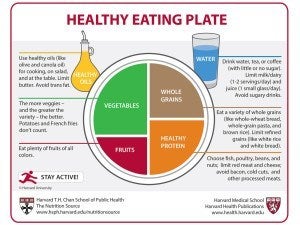
To guide you, here are some tips:
- Incorporate a variety of fruits, vegetables, whole grains, and lean proteins into your diet.
- Be aware of food allergens and read food labels carefully.
- Practice sustainable eating by choosing locally sourced, seasonal, and organically grown foods.
- Limit intake of processed foods, sugars, and unhealthy fats.
This holistic approach will provide the nutrition your body needs and support your overall wellness.
Regular Exercise Importance
In the same vein as making mindful dietary choices, incorporating regular exercise into your daily routine is another crucial aspect of adopting healthier lifestyle habits. Establishing a well-rounded fitness routine can significantly improve your overall health. Exercise benefits are vast and include improved cardiovascular health, increased energy levels, and enhanced mood.
It's not only about weight loss or muscle gain; it's also about promoting overall well-being. Harvard Health reports that as little as 15 minutes of physical activity a day can increase your lifespan by three years. So, whether it's a brisk walk, an intense gym session, or a quick yoga flow, your body will thank you.
Mental Health Management
Managing your mental health effectively plays a pivotal role in maintaining a healthier lifestyle. Research evidence suggests that proactive habits such as mindfulness, adequate sleep, and social connections can significantly reduce stress and improve overall well-being.
There are several strategies you can adopt for better mental health management:
- Mindfulness: This involves being present and fully engaged with whatever you're doing. It's beneficial for stress management.
- Adequate Sleep: Quality rest resets your brain, which improves concentration and productivity.
- Social Connections: Building strong, positive relationships can provide emotional support and reduce feelings of isolation.
- Therapeutic Hobbies: Activities like painting, reading, or gardening can provide relaxation and help manage anxiety and depression.
Embracing these habits can significantly contribute towards your mental health.
Monitoring Key Health Indicators
To ensure optimal wellness, you'll need to pay close attention to key health indicators such as blood pressure, cholesterol levels, and BMI, given their proven correlation with overall health outcomes. Health tech advancements have made it easier than ever to keep track of these indicators, enabling more personalized wellness plans.
High blood pressure, for instance, can increase your risk of heart disease and stroke. Regular monitoring can alert you to changes, allowing for timely interventions to manage the condition. Similarly, high cholesterol levels, if left unchecked, can lead to atherosclerosis, a condition where arteries harden and narrow, increasing the risk of heart disease.
Your body mass index (BMI), a calculation based on height and weight, is another indicator to watch. A high BMI can signal overweight or obesity, conditions linked to serious health problems like type 2 diabetes, heart disease, and certain cancers.
In a nutshell, monitoring these key health indicators can provide valuable insights into your health status, helping to shape personalized wellness plans. With the assistance of health tech advancements, you can track these indicators conveniently, take proactive steps towards improved health, and ultimately, enhance your overall wellness.
Effectively Communicating Health Concerns
Clear and open dialogue with your healthcare provider plays a pivotal role in addressing any health concerns you might have. This communication is a two-way street, where both parties need to understand and be understood. Patient empowerment and health literacy significantly influence this process.
So, how can you effectively communicate your health concerns? Here are some practical steps:
Prepare for your appointment: Write down your symptoms, worries, and questions beforehand. This preparation will help you articulate your concerns better and make the most of your limited time with the doctor.
Speak openly and honestly: Don't hold back information due to fear or embarrassment. Your doctor's understanding of your condition depends on your transparency.
Ask for clarification: If you don't understand a term or instruction, don't hesitate to ask your doctor to explain it in simpler terms. This practice promotes health literacy.
Provide feedback: Let your doctor know if a treatment or advice is working or not. This feedback can help adjust your wellness plan as necessary.
Strategies for Maintaining Wellness
You can't overlook the significance of regular physical activity—it's been proven to increase your lifespan, reduce disease risk, and boost mental wellness.
Incorporating a balanced diet complements this, providing essential nutrients for overall health and reducing susceptibility to chronic illnesses.
Don't forget about your mental health, though: consistent care in this area is equally important, with evidence linking poor mental health to a range of physical ailments.

Physical Activity Importance
Physical activity plays a pivotal role in maintaining overall wellness, with numerous studies affirming its benefits ranging from improved cardiovascular health to enhanced mental well-being. Outdoor workouts improve physical health, boost mood, and reduce stress levels.
Embracing fitness technology can also enhance your wellness journey. Here are some strategies:
- Utilize fitness apps for guided workouts.
- Invest in wearable technology to monitor heart rate and calories burned.
- Join online fitness communities for motivation.
- Explore virtual reality workouts for a unique experience.
Balanced Diet Benefits
In tandem with regular physical activity, adhering to a balanced diet is a crucial strategy for maintaining optimal wellness, given its proven benefits for both physical and mental health. You should consider any dietary restrictions you may have and adjust your meal plans accordingly.
Consuming a variety of nutrient-dense foods can help meet your nutritional needs and reduce the risk of chronic diseases. If you can't meet your nutrient requirements through food alone, considering nutritional supplementation could be beneficial. However, it's important to consult with home health professionals before starting any supplement regimen.
Mental Health Care
Shifting focus to mental health care, it's crucial to understand that maintaining wellness involves a multifaceted approach, incorporating both self-care practices and professional care when necessary. Mental health is a critical component of overall wellness and shouldn't be overlooked.
Here are some strategies for maintaining mental wellness:
- Regular exercise: It's proven to reduce stress and improve mood.
- Balanced diet: Good nutrition significantly impacts mental health.
- Therapy benefits: Regular sessions with a mental health professional can provide tools to manage stress and anxiety.
- Stigma reduction: Open conversations about mental health can help reduce the stigma, making it easier for individuals to seek help when needed.
Documentation of Important Medical Data
Documenting your crucial medical data can play an indispensable role in ensuring effective wellness checks, given its ability to provide critical insights into your health history and current health status. This process not only aids in Emergency Preparedness but also contributes to the creation of Advance Directives, both of which are crucial for your overall wellness strategy.
Accurate recording of medical information, such as current medications, allergies, and past surgeries, can expedite emergency response times, facilitating prompt and appropriate care. Moreover, with the right data, healthcare professionals can make informed decisions, reducing the risk of clinical errors or misdiagnoses.
Simultaneously, Advance Directives are legal documents that highlight your healthcare preferences in the event that you're unable to communicate or make decisions. They encompass a living will and health care proxy, allowing you to maintain control over your medical path.
Proper data documentation can significantly enhance the effectiveness of these directives, ensuring your wishes are accurately represented and followed. Thus, in the context of wellness checks, the strategic documentation of crucial medical data emerges as a powerful instrument in managing your health trajectory. It's not just about record keeping, it's about proactive health management.
Frequently Asked Questions
What Are the Legal Implications of Not Following Doctor's Recommendations in Massachusetts?
In Massachusetts, not following your doctor's recommendations can have legal consequences, especially if it worsens your condition. However, patient rights allow you to refuse treatment. It's a delicate balance of responsibility and autonomy.
Are There Any State-Sponsored Programs in Massachusetts to Help With the Cost of Prescribed Medications?
Yes, there are. You can apply for prescription subsidies through state-sponsored programs like Prescription Advantage in Massachusetts. Additionally, the Medication Assistance Program can help with cost reduction for certain prescribed medications.
What Are the Potential Repercussions of Missing Follow-Up Appointments?
If you miss follow-ups, it's a risky game. Appointment importance isn't trivial. Patient accountability is key. Consequences can include poor health outcomes, mismanaged medication, and even termination of care. Don't gamble with your wellbeing, keep those appointments.
How Does the Massachusetts Healthcare System Support Individuals in Adopting Healthier Lifestyle Habits?
You're supported by Massachusetts's healthcare system through preventive measures and health education. They offer programs promoting healthy eating, exercise, and regular check-ups, helping you adopt healthier lifestyle habits effectively.
What Resources Are Available in Massachusetts to Help Individuals Understand Their Key Health Indicators?
In Massachusetts, you've got Health Tech Innovations and Fitness Initiatives at your disposal. They provide tools and programs to understand key health indicators like BMI, blood pressure, and cholesterol levels effectively.


