Thursday, April 18, 2024

What Happens if Elderly Person Has No One to Care for Them?


What If An Elderly Person Has No One to Help Them?

If you're an elderly person with no one to care for you, you might face increased risks and challenges. Without support, you may encounter difficulties with daily tasks, leading to accidents or health issues. Isolation can affect your mental health, and without regular interactions, it's tough to get the help you need in emergencies. Fortunately, there are community support options and technological aids that can offer assistance and improve safety. Ensuring your living environment is secure and connected to supportive services can greatly help. Let's explore what support networks and safety strategies can make a significant difference in your life.


Identifying the Issue

Recognizing when you're overwhelmed with the responsibilities of caring for an elderly loved one is the first important step. It's easy to feel isolated as these demands escalate, particularly with the ongoing caregiver shortage. You're not alone in this struggle. Many face similar challenges, grappling with the limited availability of professional support and the increasing needs of their aging relatives.

This shortage can exacerbate social isolation for both you and your elderly loved one. It's important to acknowledge how this isolation can impact your mental healthFeeling cut off from support can lead to stress and burnout. It's okay to admit that you need help—reaching out is a sign of strength, not weakness.

Emergency planning becomes critical in these circumstances. Consider what systems you can put in place to ensure safety and quick response in urgent situations. Also, maintaining housing stability is crucial. An unstable living situation can greatly increase stress levels and affect both your well-being and that of your elderly loved one.

Risks of Living Alone

Living alone can greatly increase the risks of accidents and emergencies for your elderly loved one, making vital monitoring and preparedness essential. One practical step you can take is setting up emergency alerts in their home. These systems guarantee that help is just a button press away should any urgent situation arise.

Moreover, isolation isn't just about being physically alone; it can deeply impact mental health. The effects of isolation can lead to depression and a decline in overall health, which in turn may heighten the risk of accidents. To mitigate these risks, consider integrating social activities or arranging regular visits that can provide both companionship and a check on their well-being.

Additionally, safety modifications in the home are important. Simple changes such as installing grab bars, removing trip hazards, and improving lighting can make a big difference in preventing falls. Personal alarms are another layer of safety, allowing your loved one to alert someone if they're in trouble, even if they can't reach a phone.

Don't forget the importance of regular, nutritious mealsMeal services can be a lifeline for those who find cooking challenging, ensuring they receive the necessary nutrients to stay healthy. These combined efforts can greatly enhance the safety and quality of life for your elderly loved one living alone.

Wellness Check for Seniors

Have you considered how routine wellness checks can greatly improve the health and safety of your elderly loved one? These checks not only reassure you about their well-being but also guarantee that any potential issues are caught early.

By establishing emergency protocols, you're prepared for unexpected situations. It's crucial to regularly assess the safety of their living environment, making necessary adjustments to prevent accidents. Safety assessments might involve checking for trip hazards, ensuring smoke detectors are working, and verifying that the home is overall safe and accessible for your loved one.

Engaging neighbors in wellness efforts can also be incredibly beneficial. Neighbor involvement creates a community of care, where people nearby can keep an eye out and step in when you can't be there. Sometimes, just knowing someone is close by can make all the difference.

Additionally, setting up personalized reminders for medication or appointments helps maintain your loved one's health regimenVolunteer services can play a role here, offering both companionship and reminders.

Community-Based Support Options

Exploring community-based support options can greatly ease the challenges you face while caring for your elderly loved one. When you're feeling overwhelmed, remember that various community resources are designed specifically to assist seniors and their caregivers. These options not only provide practical help but also foster a sense of belonging and community for your loved one.

Here are several community-based support services you should consider:

  • Senior Centers: These facilities offer a range of activities, social opportunities, and health-related services that can keep your elderly relative engaged and active.
  • Volunteer Services: Many organizations provide volunteers who can assist with everyday tasks, offer companionship, and give caregiver respite.
  • Meal Programs: Nutritious meal delivery services or senior-specific meal programs make sure your loved one maintains a healthy diet without the stress of meal preparation.
  • Transportation Solutions: Look into services offering rides for seniors, which can be essential for appointments, grocery shopping, or social events.
  • Housing Initiatives: Explore affordable housing options designed for seniors that offer accessibility and community support tailored to their needs.

Utilizing these resources can significantly lighten your load and enhance the quality of life for both you and your elderly loved one. Remember, you're not alone in this journey—help is out there.

Role of Technology

Technology offers you powerful tools that can simplify the complexities of caregiving for an elderly loved one. In today's world, advances like smart homes, wearable devices, and AI companionship are not just conveniences; they're essential components in guaranteeing safety and enhancing the quality of life for those who might otherwise be left vulnerable.

Smart homes, for instance, can automate lighting, heating, and security systems to accommodate the needs of the elderly, creating a safer living environment. Wearable devices monitor vital signs and can alert caregivers or emergency services if something goes awry. This isn't just technology—it's peace of mind.

Moreover, telemedicine brings healthcare to your doorstep. It allows elderly individuals to consult with doctors via video calls, reducing the need for stressful trips to the clinic and providing timely medical advice.

Here's a quick look at how technology supports elderly care:

TechnologyBenefitsExamples
Smart Homes       Enhances safety      Automated lighting
Wearable Devices       Health monitoring      Fitness trackers
Telemedicine       Accessible healthcare      Video consultations
AI Companionship       Emotional support      Chatbots

Utilizing these technologies guarantees that you're providing the best care, even from afar. They're not just tools; they're bridges connecting you to your loved one's needs and well-being.

Understanding the legal and financial landscape is vital when ensuring your elderly loved one's affairs are in order, providing both of you peace of mind. As you navigate these complexities, it's essential to be well-informed and proactive to safeguard their well-being and assets. Here are some key considerations to keep in mind:

  • Guardianship laws: Familiarize yourself with local guardianship laws to understand who can legally make decisions if your loved one becomes incapacitated.

  • Estate planning: Make sure that estate planning is up-to-date, including wills and trusts, to protect assets and ensure they're distributed according to their wishes.

  • Power of attorney: Establishing a power of attorney allows a trusted person to manage financial and health affairs if your loved one is unable to do so.

  • Asset protection: Consider strategies for asset protection to shield your loved one's estate from potential threats, such as undue influence or creditor claims.

  • Financial abuse: Stay vigilant against financial abuse by monitoring accounts and transactions for any unusual activity.

Health and Wellness Impacts

While managing legal and financial matters sets a secure foundation, ensuring excellent health and wellness is equally vital for your elderly loved one's quality of life. It's important to recognize how mental declinenutritional deficiencies, and physical inactivity can profoundly impact their well-being.

Mental decline isn't just about forgetting to pay a bill; it can manifest as confusion, difficulty in making decisions, or managing daily tasks. You'll want to keep an eye on these changes, as they could indicate more serious issues like dementia or depression. It's tough to see someone you care about struggle, but staying informed can help you provide the support they need.

Nutritional deficiencies are also a significant concern, especially if your loved one isn't eating well because they're alone. They might skip meals or choose foods that are easy but not necessarily nutritious. This can lead to weakened immune systems and less energy to stay active, creating a cycle of health decline.

Physical inactivity can further exacerbate health problems, leading to a deterioration in both mental and physical capabilities. Emotional isolation can compound these issues, making it important to ensure they've regular interactions with others.

Strategies for Community Action

Engaging your community can provide essential support and resources when caring for an elderly loved one. You're not alone, and there are numerous ways to rally community support that respects cultural nuances and fosters meaningful connections.

Here are some effective strategies that can help:

  • Local Partnerships: Collaborate with local businesses and healthcare providers to create a network of support. This could include setting up routine check-ins or providing special services for the elderly.
  • Volunteer Initiatives: Encourage volunteer groups to assist with both companionship and practical needs. These could range from grocery shopping to home maintenance, greatly reducing the daily challenges faced by the elderly.
  • Transportation Solutions: Work with local transit authorities to make sure safe and accessible transportation is available. This empowers the elderly to maintain their independence and attend important appointments.
  • Cultural Inclusion: Promote programs that respect and incorporate the cultural backgrounds of the elderly, making sure they feel valued and understood.
  • Intergenerational Programs: Foster connections between the young and the old through shared activities, bridging the gap and enriching the lives of all involved.

With these actions, you'll help create a supportive, inclusive community that values its elderly members, making sure they receive the care and respect they deserve.

Wednesday, April 3, 2024

Top Home Care Agencies in MA


What Factors Contribute to the Rankings of Top Home Care Agencies in MA?

Factors contributing to the rankings of top home care agencies in MA include caregiver training for quality care, affordability and diverse payment optionsstaff expertise, qualifications, and ongoing training programs, convenient location and accessibility, and patient reviews for overall satisfaction. These elements play an essential role in determining the success and reputation of home care agencies in Massachusetts. Consider these factors when selecting a home care agency to guarantee the best quality of care for your loved ones.


Quality of Care

When evaluating the factors that contribute to the rankings of top home care agencies in MA, the quality of care provided emerges as a pivotal determinant. Caregiver training plays an important role in ensuring that patients receive the best possible care. Agencies that invest in thorough training programs for their caregivers tend to have staff members who are better equipped to handle a variety of situations and provide high-quality care consistently.

Client outcomes are another key aspect in determining the quality of care provided by home care agencies. Positive client outcomes, such as improved health and well-beingreduced hospital readmissions, and overall satisfaction with the care received, are indicators of the effectiveness of an agency's services. Agencies that prioritize client outcomes through personalized care plans, regular monitoring, and communication with healthcare providers tend to achieve better results and, consequently, higher rankings.

Affordability and Payment Options

When considering home care agencies in MA, it's important to analyze the pricing options available and compare them to make sure you're getting the best value for your investment.

Additionally, exploring the financial assistance programs offered by these agencies can greatly impact your decision-making process, especially if you're looking for ways to make home care services more affordable.

Understanding the affordability and payment options provided by different agencies can help you make a well-informed choice that aligns with your budget and needs.

Pricing Options Comparison

Comparing the pricing options of top home care agencies in Massachusetts reveals key insights into affordability and available payment choices for prospective clients. When evaluating cost effectiveness and service quality, Agency A stands out for its competitive rates and exceptional care standards.

Additionally, Agency B offers pricing flexibility, accommodating various budget constraints while maintaining a diverse range of services to cater to different needs. The service variety at Agency C provides clients with a wide selection of care options, ensuring personalized and all-encompassing assistance.

Financial Assistance Availability

To better understand the financial assistance availability for home care services in Massachusetts, it's essential to evaluate the affordability and payment options offered by top agencies in the region. Government funding plays a significant role in assisting individuals with limited financial means to access home care services. Many top agencies work closely with government programs to make sure that those in need can receive the care they require.

Additionally, insurance coverage is another vital aspect to examine when looking at financial assistance availability. Top home care agencies often have arrangements with various insurance providers to help clients navigate their coverage options and maximize the benefits they're entitled to. By offering diverse payment options and aiding in accessing government funding and insurance coverage, these agencies make home care services more accessible to a broader range of individuals.

Staff Expertise and Training

When it comes to evaluating home care agencies, staff expertise and training play a vital role in ensuring quality care for clients.

Staff qualifications and skills are fundamental aspects that contribute to the overall effectiveness of caregiving.

Ongoing training programs and the level of experience in caregiving are key indicators of a top-ranking home care agency.

Staff Qualifications and Skills

Staff expertise and training play a crucial role in determining the quality of care provided by a top home care agency in Massachusetts. When evaluating a home care agency's staff qualifications and skills, consider the following:

  • Recruitment Process: The thoroughness of the agency's hiring process guarantees that only the most qualified individuals are selected.

  • Certification Requirements: Agencies that mandate specific certifications demonstrate a commitment to maintaining high standards.

  • Continual Education: Regular training sessions keep staff up-to-date with the latest caregiving techniques.

  • Specialized Skills: Agencies that offer specialized training in areas like dementia care provide tailored services.

  • Experience Levels: A mix of experienced caregivers and newer staff can bring a balance of expertise and fresh perspectives to the agency's care approach.

Ongoing Training Programs

Ongoing training programs at a top home care agency in Massachusetts greatly contribute to enhancing staff expertise and maintaining high-quality care standards. These programs guarantee that caregivers meet certification requirements and have access to skill development opportunities. By investing in continuous training, the agency equips its staff with the latest knowledge and techniques necessary to provide exceptional care to clients. This commitment to ongoing education not only enhances the skills of individual caregivers but also elevates the overall standard of care provided by the agency. Through structured training programs, caregivers stay updated on best practices, new technologies, and evolving care standards, ultimately leading to improved outcomes for the clients they serve.

Training TypeDescriptionBenefits
Certification CoursesMandatory courses to meet certification standardsEnsures compliance
Skills WorkshopsHands-on sessions to enhance caregiving skillsImproves quality of care
Continuing EducationOngoing learning opportunities for staffKeeps knowledge up-to-date
Specialized TrainingTraining tailored to specific client needsEnhances personalized care
Leadership DevelopmentPrograms to develop leadership skillsFosters growth within teams

Experience in Caregiving

Enhancing the overall quality of care provided by a top home care agency in Massachusetts heavily relies on the depth of experience and training that caregivers possess. When it comes to experience in caregiving, several key factors play a significant role:

  • Caregiver Retention: Experienced caregivers are more likely to stay with the agency, leading to continuity of care for clients.

  • Job Satisfaction: High levels of experience can contribute to increased job satisfaction among caregivers, leading to better outcomes for clients.

  • Client Satisfaction: Experienced caregivers are better equipped to meet the diverse needs of clients, resulting in higher satisfaction levels.

  • Caregiver Relationships: Experience fosters strong relationships between caregivers and clients, promoting trust and quality care.

  • Training: Continuous training programs build on existing experience, enhancing the overall competency of caregivers.

Range of Services Offered

A key factor contributing to the rankings of top home care agencies in MA is the wide range of services available to clients. These agencies excel in providing diverse services, catering to various needs and preferences of individuals requiring home care. Below is a comparison table showcasing the service variety offered by some of the top home care agencies in Massachusetts:

Home Care AgencyRange of Services
CareFirst Home Care     Personal care, companionship, medication reminders
Compassionate Care     Alzheimer's care, meal preparation, transportation
Caring Hands Home Care     Respite care, light housekeeping, mobility assistance

The table illustrates the breadth of services provided, highlighting the focus these top agencies place on meeting the holistic needs of their clients. By offering a wide array of services, these agencies guarantee that individuals receive thorough and personalized care tailored to their specific requirements. This commitment to service variety sets them apart in the competitive landscape of home care agencies in Massachusetts.

Location and Accessibility

To optimize the positioning of a top home care agency in Massachusetts, meticulous consideration of its location and accessibility is essential. When evaluating the location and accessibility of a home care agency, factors such as transportation options and proximity to hospitals play an important role in ensuring quality care provision.

Here are some key points to take into account:

  • Transportation options: Accessibility to public transportation or availability of reliable transportation services for patients is vital for ensuring ease of access to the home care agency.

  • Proximity to hospitals: Being situated close to hospitals can facilitate quick medical interventions in case of emergencies, enhancing the overall safety and well-being of the patients.

  • Ease of navigation: A location that's easy to find and navigate to can reduce stress for both patients and caregivers.

  • Parking availability: Adequate parking space for patients and visitors can improve convenience and accessibility.

  • Community resources: Proximity to community centers or other healthcare facilities can provide additional support and resources for patients receiving home care services.

Considering these factors can contribute significantly to the overall success and ranking of a home care agency in Massachusetts.

Patient Reviews and Satisfaction

Considering patient reviews and satisfaction is crucial for evaluating the quality of care provided by a top home care agency in Massachusetts. Patient outcomes and caregiver communication play a substantial role in determining the efficacy of services rendered by these agencies. Patient reviews provide valuable insights into the overall satisfaction levels and effectiveness of the care received.

AspectDescription    Importance
Patient Outcomes   Measure of health improvement    High
Caregiver Communication   Quality of interaction    Medium
Overall Satisfaction   General contentment level    High
Timeliness of Care   Promptness of service delivery    Medium
Coordination of Services   Integration of care    High

Patient outcomes, such as improvements in health conditions or maintenance of well-being, are key indicators of the agency's effectiveness. Additionally, effective communication between caregivers and patients ensures that needs are understood and met appropriately, leading to higher satisfaction levels. Timeliness of care and coordination of services also play a vital role in the overall experience and outcomes for patients receiving home care services.

Frequently Asked Questions

How Do Home Care Agencies in MA Ensure the Cultural Competency of Their Staff Members?

In the domain of home care agencies in MA, ensuring cultural competency among staff members is crucial. By providing comprehensive cultural training programs and fostering a supportive environment, agencies can enhance staff retention and deliver high-quality care.

Do Top Home Care Agencies in MA Offer Specialized Services for Individuals With Specific Medical Conditions or Disabilities?

Top home care agencies in MA provide specialized care tailored to individuals with specific medical conditions or disabilities. They offer disability accommodations, ensuring thorough and individualized support for clients with diverse needs, contributing to their high rankings.

What Measures Do Home Care Agencies in MA Take to Ensure the Safety and Security of Their Patients in Their Own Homes?

To guarantee the safety and security of patients in their homes, home care agencies in MA implement stringent safety protocols and in-depth training programs for their staff. These measures prioritize the well-being of patients and promote a secure environment.

How Do Home Care Agencies in MA Handle Emergency Situations Outside of Regular Business Hours?

In emergency situations outside regular hours, home care agencies in MA provide swift emergency response and after-hours support. This guarantees immediate assistance for patients, promoting safety and peace of mind for both clients and their families.

Are Top Home Care Agencies in MA Involved in Any Community Outreach or Support Programs for Their Patients and Their Families?

In the domain of patient advocacy and community engagement, top home care agencies in MA prioritize family support through various outreach initiatives. They aim to create a network that extends beyond care, enhancing overall well-being.

Friday, February 23, 2024

Unraveling the Wellness Check Aftermath: A Comprehensive Guide in Massachusetts

 Did you know that nearly 85% of adults in Massachusetts have a regular wellness check each year? That's an impressive statistic, right?

But there's a catch. Navigating the aftermath of these checks - understanding your doctor's recommendations, scheduling follow up appointments, securing prescribed medications, and tweaking your lifestyle habits - is often more challenging than the check-up itself.

So, how should you proceed once your wellness check is over? Stay with us and we'll guide you through this often-overlooked aspect of your healthcare journey.


Understanding Doctor's Recommendations

Grasping your doctor's advice post-wellness check can significantly impact your health, so it's crucial to understand their recommendations thoroughly. It's a given that medical technology advancements have amplified the potential for personalized healthcare, but they've also made medical advice more complex. When your doctor uses terms like 'genomic sequencing' or 'AI-assisted diagnostics', it can be daunting. Yet, these technologies have the potential to catch diseases early and tailor your treatment plans, so don't be afraid to ask for clarifications.

Simultaneously, you need to navigate the health insurance intricacies. Your doctor's recommendations might involve procedures or medications that, while beneficial, could be costly. Understanding your health insurance policy is vital to avoid unexpected out-of-pocket expenses. Learn the terms: co-pay, deductible, out-of-network, and pre-authorization. Know what your insurance covers and what it doesn't. If you're unsure, reach out to your insurance provider for clarity.

Scheduling Follow-Up Appointments

Once you've decoded your doctor's advice and navigated through your health insurance policy, it's essential to ensure continuity in your health care by promptly scheduling follow-up appointments as recommended. This step isn't only critical for maintaining your health but also for effective time management.

Let's delve into why this is so crucial. Studies indicate a strong correlation between regular follow-ups and better health outcomes. These appointments allow your doctor to monitor your health closely, adjust treatment plans if necessary, and catch any potential complications early. Appointment reminders serve as a helpful tool in this process, acting as a nudge to keep you on track.

However, managing these appointments can be a complex task. One needs to strike a balance between their personal and professional commitments and healthcare needs. This is where time management plays a vital role. Utilize digital tools like Google Calendar or reminder apps to schedule your appointments effectively. They'll help you avoid clashes with other commitments and ensure you never miss an appointment.

Procuring Prescribed Medications

Securing your prescribed medications is a crucial step in following through with your doctor's treatment plan, as each pill, capsule, or liquid form carries the potential to alleviate your symptoms, treat your condition, or even save your life. However, medication affordability and prescription adherence can present significant challenges.

To manage these challenges, you need a strategic approach:

  • Shop around: Different pharmacies can offer the same medication at varying prices. Don't shy away from comparing costs.
  • Request generic versions: They're often significantly cheaper than brand-name drugs but just as effective.
  • Explore assistance programs: Many pharmaceutical companies and non-profit organizations offer programs to help with medication costs.
  • Stay organized: Use pill organizers, reminders, or apps to ensure prescription adherence.

Studies reveal that 20-30% of prescriptions are never filled, and approximately half aren't continued as prescribed. These statistics underscore the importance of affordability and adherence. By employing the above strategies, you're more likely to gather your medications without breaking the bank and adhere to your doctor's instructions, ensuring better health outcomes. Remember, your wellness journey goes beyond the doctor's office – it's about taking proactive steps towards your health.

Adopting Healthier Lifestyle Habits

You're ready to turn over a new leaf by adopting healthier lifestyle habits, aren't you?

Research indicates that making informed nutrition and diet choices can significantly improve your overall health.

Coupling this with regular exercise and effective mental health management strategies, you're on the right track to a healthier you.

Nutrition and Diet Choices

Adopting healthier lifestyle habits such as balanced nutrition and diet choices can significantly improve your overall wellbeing, as evidenced by numerous studies linking proper eating habits to increased longevity and reduced risk of chronic diseases. Sustainable eating practices promote not only your health but also the health of the planet. Being aware of food allergies is equally important, as it can prevent adverse reactions and promote food safety.

To guide you, here are some tips:

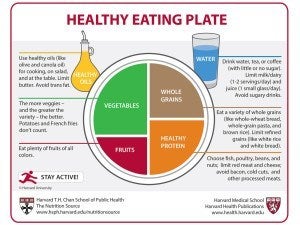
  • Incorporate a variety of fruits, vegetables, whole grains, and lean proteins into your diet.
  • Be aware of food allergens and read food labels carefully.
  • Practice sustainable eating by choosing locally sourced, seasonal, and organically grown foods.
  • Limit intake of processed foods, sugars, and unhealthy fats.

This holistic approach will provide the nutrition your body needs and support your overall wellness.

Regular Exercise Importance

In the same vein as making mindful dietary choices, incorporating regular exercise into your daily routine is another crucial aspect of adopting healthier lifestyle habits. Establishing a well-rounded fitness routine can significantly improve your overall health. Exercise benefits are vast and include improved cardiovascular health, increased energy levels, and enhanced mood.

It's not only about weight loss or muscle gain; it's also about promoting overall well-being. Harvard Health reports that as little as 15 minutes of physical activity a day can increase your lifespan by three years. So, whether it's a brisk walk, an intense gym session, or a quick yoga flow, your body will thank you.

Mental Health Management

Managing your mental health effectively plays a pivotal role in maintaining a healthier lifestyle. Research evidence suggests that proactive habits such as mindfulness, adequate sleep, and social connections can significantly reduce stress and improve overall well-being.

There are several strategies you can adopt for better mental health management:

  • Mindfulness: This involves being present and fully engaged with whatever you're doing. It's beneficial for stress management.
  • Adequate Sleep: Quality rest resets your brain, which improves concentration and productivity.
  • Social Connections: Building strong, positive relationships can provide emotional support and reduce feelings of isolation.
  • Therapeutic Hobbies: Activities like painting, reading, or gardening can provide relaxation and help manage anxiety and depression.

Embracing these habits can significantly contribute towards your mental health.

Monitoring Key Health Indicators

To ensure optimal wellness, you'll need to pay close attention to key health indicators such as blood pressure, cholesterol levels, and BMI, given their proven correlation with overall health outcomes. Health tech advancements have made it easier than ever to keep track of these indicators, enabling more personalized wellness plans.

High blood pressure, for instance, can increase your risk of heart disease and stroke. Regular monitoring can alert you to changes, allowing for timely interventions to manage the condition. Similarly, high cholesterol levels, if left unchecked, can lead to atherosclerosis, a condition where arteries harden and narrow, increasing the risk of heart disease.

Your body mass index (BMI), a calculation based on height and weight, is another indicator to watch. A high BMI can signal overweight or obesity, conditions linked to serious health problems like type 2 diabetes, heart disease, and certain cancers.

In a nutshell, monitoring these key health indicators can provide valuable insights into your health status, helping to shape personalized wellness plans. With the assistance of health tech advancements, you can track these indicators conveniently, take proactive steps towards improved health, and ultimately, enhance your overall wellness.

Effectively Communicating Health Concerns

Clear and open dialogue with your healthcare provider plays a pivotal role in addressing any health concerns you might have. This communication is a two-way street, where both parties need to understand and be understood. Patient empowerment and health literacy significantly influence this process.

So, how can you effectively communicate your health concerns? Here are some practical steps:

  • Prepare for your appointment: Write down your symptoms, worries, and questions beforehand. This preparation will help you articulate your concerns better and make the most of your limited time with the doctor.

  • Speak openly and honestly: Don't hold back information due to fear or embarrassment. Your doctor's understanding of your condition depends on your transparency.

  • Ask for clarification: If you don't understand a term or instruction, don't hesitate to ask your doctor to explain it in simpler terms. This practice promotes health literacy.

  • Provide feedback: Let your doctor know if a treatment or advice is working or not. This feedback can help adjust your wellness plan as necessary.

Strategies for Maintaining Wellness

You can't overlook the significance of regular physical activity—it's been proven to increase your lifespan, reduce disease risk, and boost mental wellness.

Incorporating a balanced diet complements this, providing essential nutrients for overall health and reducing susceptibility to chronic illnesses.

Don't forget about your mental health, though: consistent care in this area is equally important, with evidence linking poor mental health to a range of physical ailments.


Physical Activity Importance

Physical activity plays a pivotal role in maintaining overall wellness, with numerous studies affirming its benefits ranging from improved cardiovascular health to enhanced mental well-being. Outdoor workouts improve physical health, boost mood, and reduce stress levels.

Embracing fitness technology can also enhance your wellness journey. Here are some strategies:

  • Utilize fitness apps for guided workouts.
  • Invest in wearable technology to monitor heart rate and calories burned.
  • Join online fitness communities for motivation.
  • Explore virtual reality workouts for a unique experience.

Balanced Diet Benefits

In tandem with regular physical activity, adhering to a balanced diet is a crucial strategy for maintaining optimal wellness, given its proven benefits for both physical and mental health. You should consider any dietary restrictions you may have and adjust your meal plans accordingly.

Consuming a variety of nutrient-dense foods can help meet your nutritional needs and reduce the risk of chronic diseases. If you can't meet your nutrient requirements through food alone, considering nutritional supplementation could be beneficial. However, it's important to consult with home health professionals before starting any supplement regimen.

Mental Health Care

Shifting focus to mental health care, it's crucial to understand that maintaining wellness involves a multifaceted approach, incorporating both self-care practices and professional care when necessary. Mental health is a critical component of overall wellness and shouldn't be overlooked.

Here are some strategies for maintaining mental wellness:

  • Regular exercise: It's proven to reduce stress and improve mood.
  • Balanced diet: Good nutrition significantly impacts mental health.
  • Therapy benefits: Regular sessions with a mental health professional can provide tools to manage stress and anxiety.
  • Stigma reduction: Open conversations about mental health can help reduce the stigma, making it easier for individuals to seek help when needed.

Documentation of Important Medical Data

Documenting your crucial medical data can play an indispensable role in ensuring effective wellness checks, given its ability to provide critical insights into your health history and current health status. This process not only aids in Emergency Preparedness but also contributes to the creation of Advance Directives, both of which are crucial for your overall wellness strategy.

Accurate recording of medical information, such as current medications, allergies, and past surgeries, can expedite emergency response times, facilitating prompt and appropriate care. Moreover, with the right data, healthcare professionals can make informed decisions, reducing the risk of clinical errors or misdiagnoses.

Simultaneously, Advance Directives are legal documents that highlight your healthcare preferences in the event that you're unable to communicate or make decisions. They encompass a living will and health care proxy, allowing you to maintain control over your medical path.

Proper data documentation can significantly enhance the effectiveness of these directives, ensuring your wishes are accurately represented and followed. Thus, in the context of wellness checks, the strategic documentation of crucial medical data emerges as a powerful instrument in managing your health trajectory. It's not just about record keeping, it's about proactive health management.

Frequently Asked Questions

In Massachusetts, not following your doctor's recommendations can have legal consequences, especially if it worsens your condition. However, patient rights allow you to refuse treatment. It's a delicate balance of responsibility and autonomy.

Are There Any State-Sponsored Programs in Massachusetts to Help With the Cost of Prescribed Medications?

Yes, there are. You can apply for prescription subsidies through state-sponsored programs like Prescription Advantage in Massachusetts. Additionally, the Medication Assistance Program can help with cost reduction for certain prescribed medications.

What Are the Potential Repercussions of Missing Follow-Up Appointments?

If you miss follow-ups, it's a risky game. Appointment importance isn't trivial. Patient accountability is key. Consequences can include poor health outcomes, mismanaged medication, and even termination of care. Don't gamble with your wellbeing, keep those appointments.

How Does the Massachusetts Healthcare System Support Individuals in Adopting Healthier Lifestyle Habits?

You're supported by Massachusetts's healthcare system through preventive measures and health education. They offer programs promoting healthy eating, exercise, and regular check-ups, helping you adopt healthier lifestyle habits effectively.

What Resources Are Available in Massachusetts to Help Individuals Understand Their Key Health Indicators?

In Massachusetts, you've got Health Tech Innovations and Fitness Initiatives at your disposal. They provide tools and programs to understand key health indicators like BMI, blood pressure, and cholesterol levels effectively.

Monday, February 19, 2024

Unlocking Health: Navigating Your Wellness Checks in Massachusetts

By pure coincidence, you've decided it's time for a wellness check in Massachusetts just as we're discussing how to navigate that process. It's not as daunting as you might think, but there are a few things you should know to make the experience smoother and more beneficial to your health.

We're about to explore how to identify reputable providers, initiate contact, and effectively request a wellness check. But what happens after you've scheduled your appointment, and how can you be sure you're getting the most out of it? There's much more to uncover.


Wellness Checks in Massachusetts


Identifying Reputable Massachusetts Providers

There are countless healthcare providers in Massachusetts, but identifying the most reputable ones can significantly enhance your wellness check experience. It's crucial to consider two key things: 'Provider Accreditation' and 'Medical Specialties'.

Provider Accreditation is a seal of approval that demonstrates a healthcare provider's commitment to quality and safety. It's your assurance that the provider meets or exceeds industry standards. So, when you're looking around, don't forget to check if they're accredited by recognized bodies like the Joint Commission or the American Board of Medical Specialties.

On the other hand, understanding medical specialties is essential to identify the right provider for your specific needs. For instance, if you're dealing with heart issues, you'd want a cardiologist. Likewise, for bone-related concerns, an orthopedic specialist is your best bet.

Initiating Contact With Providers

Once you've identified your preferred healthcare provider in Massachusetts, it's important to initiate contact and set up your wellness check. This step is key in establishing provider communication and activating patient autonomy.

Now, you might be wondering, 'What's the best way to go about this?' Here's a simplified guide:

  1. Phone Call: Most healthcare providers offer a contact number for new patients. Make sure to prepare any questions or concerns you may have beforehand.

  2. E-mail: If you're more comfortable with written correspondence, look for an email address. This option also allows you to clearly state your needs and requests.

  3. Patient Portal: Many healthcare organizations in Massachusetts offer digital platforms. These portals can streamline communication, and often include options to schedule appointments.

  4. In-person Visit: If it's convenient, consider visiting the office directly. This can provide a tangible sense of the provider's environment.

Requesting a Wellness Check Properly

After establishing initial contact with your chosen healthcare provider, it's crucial to know how to properly request your wellness check. Often, you might feel uncertain about the process which is why understanding check request etiquette is paramount.

To begin with, be respectful while making your request. Specify the type of check you're seeking and the reasons behind it. If there's a specific concern, mention it. Be flexible with scheduling to accommodate the healthcare provider's availability, while also asserting your own time constraints.

However, don't let wellness check myths deter you. One common misunderstanding is that these checks are only for those feeling unwell. In reality, they're preventative measures to identify potential health issues early. Another myth is the fear of being judged for your lifestyle or health choices. Remember, providers are there to help you, not judge you.

Lastly, always confirm your appointment after scheduling it. It's a simple step that ensures you're on the same page with your provider.

Requesting a wellness check might seem daunting but with the right etiquette and knowledge, you can navigate this effectively and take charge of your health.

Validating Insurance Coverage

Before you book your wellness check, it's crucial to validate your insurance coverage.

You'll need to fully comprehend your policy, be aware of any potential coverage gaps, and understand how to navigate insurance claims.

Let's break down these components to help you avoid unexpected costs and maximize your wellness benefits.

Validating Insurance Coverage for Wellness Checks


Understanding Your Policy

To ensure a smooth wellness check in Massachusetts, it's crucial to validate your insurance coverage and thoroughly understand your policy.

Here are four key things to focus on:

  1. Policy Options: Review the various plans offered by your insurer. This will help you identify the best coverage to meet your health needs.

  2. Policy Changes: Keep an eye out for any updates that might affect your coverage. Your policy may change annually, so stay informed.

  3. Financial Obligations: Understand your copayments, deductibles, and out-of-pocket maximums to avoid unexpected costs.

  4. Coverage Details: Know what services are covered under your plan, including preventative care, hospitalizations, and prescriptions.

Potential Coverage Gaps

Even with a solid understanding of your policy, you might still encounter potential coverage gaps, so it's important to validate your insurance coverage regularly. This involves checking for coverage limitations that may not pay for certain types of treatments or conditions.

You'll also need to be aware of out of network concerns - the costs can be significantly higher if you visit a healthcare provider that's not within your plan's network. Don't assume that all services or procedures are covered, even if they're medically necessary. Always verify your coverage before scheduling any procedure or treatment.

In Massachusetts, you have the right to appeal any insurance company's decision to deny coverage. Stay informed, proactive, and safeguard your health.

Understanding your policy and potential coverage gaps is just half the battle; it's equally critical to know how to navigate insurance claims effectively in Massachusetts.

  1. File your claim promptly: Don't delay in submitting your claims to your insurer. It's crucial to meet the deadline to avoid claim disputes.

  2. Understand your policy: Be clear about what's covered and what's not. If you're unsure, seek clarification.

  3. Keep records: Document every consultation, test, or procedure you've undergone. These records can support your claim and make insurance negotiation smoother.

  4. Dispute denials: If your claim is denied, don't accept it outright. Look into the reasons for denial, and if necessary, appeal the decision.

Mastering Appointment Scheduling

After sorting out your insurance, it's time to get a handle on appointment scheduling. Mastering online booking techniques can save you time and lessen stress.

It's also important to understand that timing and flexibility can make the difference in getting the appointment slot you want.

Online Booking Techniques

Mastering the art of online booking for your wellness check can streamline your healthcare experience and ensure you secure the most convenient appointment times. With digital accessibility and telehealth services on the rise, you're just a few clicks away from your next appointment.

Here are four key steps to guide you:

  1. Choose a platform: Many healthcare providers offer online booking through their websites or mobile apps. Find the one that suits you best.

  2. Create an account: This often involves providing your email and creating a password.

  3. Select your preferred date and time: Ensure the slot fits into your schedule.

  4. Confirm your appointment: You'll typically receive an email or text message confirmation.

Timing and Flexibility

In the realm of wellness checks, effective management of your schedule hinges on your ability to be both timely and flexible. Wellness timing is crucial; it's not just about punctuality but also about fitting these appointments into your busy life.

Appointment flexibility, on the other hand, allows you to adapt to unforeseen circumstances. Say, an unexpected work meeting arises, having a flexible schedule will let you adjust your appointment without causing too much stress.

Preparing Adequately for Your Visit

To ensure your wellness check goes smoothly, it's crucial to prepare adequately for your visit. One significant aspect of your preparation should include a review and understanding of your personal health records. These records act as a roadmap to your health history and serve as a guide for your healthcare provider in formulating effective disease prevention strategies.

Here's a simple four-step guide to help you prepare:

  1. Organize Your Personal Health Records: Gather all your health-related documents, including previous medical reports, prescriptions, immunization records, and any details of chronic conditions or surgeries. This comprehensive view of your health history aids your healthcare provider in assessing your current health status.

  2. Understand Your Health Risks: Review your family history for any hereditary conditions. This can help your provider devise a personalized disease prevention strategy for you.

  3. Prepare Your Questions: Jot down any health-related queries you may have. This ensures you don't forget to ask about them during your visit.

  4. Be Ready to Discuss Lifestyle Choices: Your diet, exercise regimen, smoking or drinking habits can influence your health. Be prepared to discuss these aspects openly with your doctor.

Ensuring Attendance to Appointments

Once you've prepared adequately for your visit, it's equally important to ensure that you attend all scheduled appointments. It's not just about being responsible; it's about taking steps to safeguard your health. Appointment reminders can play a crucial role in this process. These can be in the form of emails, text messages, or phone calls, and they usually include the date, time, and location of your appointment.

But remember, reminders are only as effective as your capacity to respond to them. So, make sure you keep your contact information up-to-date and set aside time for your appointments. Don't let your busy schedule get in the way of your health.

Transportation logistics can also play a significant part in ensuring appointment attendance. Having a reliable transportation plan will prevent any last-minute hitches that might prevent you from attending your appointment. This could involve arranging a ride with a family member or friend, using public transportation, or taking advantage of medical transport services if you're eligible.

In a nutshell, proactive measures like utilizing appointment reminders and sorting out transportation logistics can help you attend all your appointments, ensuring that you stay on top of your health.

Understanding Post-Visit Instructions

After your wellness check, it's crucial to fully comprehend the instructions given by your healthcare provider.

This includes interpreting medical recommendations, acknowledging the importance of follow-up appointments, and effectively managing your medication regimen.

We'll now explore these elements to ensure you're well-prepared to handle your post-visit care.

Interpreting Medical Recommendations

Understanding your doctor's post-visit instructions is crucial in ensuring the effectiveness of your treatment and overall well-being. However, medical jargon deciphering can often be a hurdle. Don't fret; improvement in health literacy is achievable.

Here are some steps to help you interpret medical recommendations:

  1. Request Simplicity: Ask your doctor to break down complex terms into plain English.

  2. Note-Taking: Jot down important points during your consultation.

  3. Use Trusted Sources: Leverage credible online resources to understand unfamiliar terms.

  4. Ask Follow-Up Questions: Don't hesitate to clarify any doubts with your healthcare provider.

Importance of Follow-ups

Grasping the significance of post-visit instructions and diligently following up on them plays a crucial role in your journey towards optimal health. Post-visit instructions are a bridge between you and your healthcare provider, ensuring patient communication is clear and effective. This can include recommended tests, future appointments, or lifestyle adjustments.

It's not just about doctor's orders though, it's about your health literacy - understanding the information given to you. Without this, you might miss important steps in your care. Don't hesitate to ask questions if you're unsure about anything. Remember, a well-informed patient is an empowered one.

Managing Medication Regimen

Navigating your medication regimen can seem like a daunting task, but it's an integral part of your post-visit instructions that you'll need to master for your health's sake. Remember, medication management is key to maintaining and improving your overall health.

Medication Management


  1. Understand your Medication: Know what each medication does, why you're taking it, and potential side effects.

  2. Stay Organized: Use pill organizers or medication apps to help keep track of dosages and times.

  3. Discuss Affordability: If your prescription is costly, talk to your doctor about alternatives or assistance programs.

  4. Regular Reviews: Have your medication regimen reviewed regularly to ensure it's still effective and necessary.

Implementing Follow-Up Care Plans

When it's time to implement your follow-up care plans in Massachusetts, you'll need to be proactive and well-informed to ensure the best possible health outcomes. This process calls for high levels of patient engagement and effective care coordination.

Patient engagement isn't simply about following doctor's orders. It's about actively participating in your healthcare, understanding your condition, and making informed decisions about your treatment. You'll need to communicate effectively with your healthcare providers, ask the right questions, and understand the answers.

Care coordination is another crucial aspect of implementing follow-up care plans. This involves ensuring that all your healthcare providers are on the same page regarding your treatment. You'll need to share important information about your health, such as test results, medication changes, and any new or worsening symptoms.

In addition, it's important to understand the objectives of your follow-up care plan. Whether it's monitoring your condition, managing side effects, or preventing complications, knowing the goals will help you stay on track. Remember, your healthcare providers are there to support you, but it's ultimately up to you to take charge of your health. Implementing follow-up care plans effectively requires commitment, understanding, and active participation.

Planning your future wellness checks can seem daunting, but it's an essential part of maintaining your overall health and catching any potential issues early. But don't worry, you've got this. By keeping up with wellness trends and making future predictions about your health needs, you can effectively navigate your future wellness checks.

To facilitate this process, consider the following steps:

  1. Stay Informed: Keep up with wellness trends. Being informed will help you ask the right questions during your checks and understand the advice given by your healthcare provider.

  2. Regular Scheduling: Don't wait until you're feeling unwell to schedule a check. Regular wellness checks can help identify potential health issues before they become serious.

  3. Be Proactive: Make future predictions about your health based on your lifestyle, family history, and current health status. This will help tailor your wellness checks to your specific needs.

  4. Communicate: Always communicate your concerns, symptoms, and observations to your healthcare provider. They can only help you if they've a complete picture of your health.

Frequently Asked Questions

What Should I Do if I Have a Medical Emergency During My Wellness Check?

If you're experiencing a medical emergency during your wellness check, it's crucial to alert your healthcare provider immediately. They're equipped with emergency protocols to ensure you receive immediate care, stabilizing your condition.

Can I Bring a Family Member or Friend to My Wellness Check Appointment?

Wouldn't you feel better with a supportive presence during your check-up? Absolutely, you can bring a family member or friend to your wellness check appointment. They can aid in appointment preparation and provide comfort.

What Happens if I Disagree With the Wellness Check Results or Diagnosis?

If you're not satisfied with your wellness check results or diagnosis, you've the right to challenge it. Seek a second opinion. It's an important part of patient advocacy, promoting accurate diagnosis and effective treatment.

Are There Any Wellness Programs Available in Massachusetts That I Can Participate in Outside of Wellness Checks?

Sure, there's a treasure trove of wellness programs in Massachusetts you can tap into. Each has unique program benefits and eligibility criteria, so you're likely to find one that perfectly fits your wellness journey.

How Can I Maintain My Health and Wellness Between Checkups?

To maintain your health between checkups, it's crucial to focus on healthy dieting and stress management. Regular exercise, balanced meals, adequate sleep, and mindfulness techniques can all contribute to your overall wellness.

Tuesday, November 28, 2023

Safeguarding Dignity With Personal Care Services and a Comprehensive Approach

Safeguarding Dignity With Personal Care Services and a Comprehensive Approach

Personal Care Services in Massachusetts

While some might think personal care services invade privacy, we believe they’re crucial in preserving an individual’s dignity. This comprehensive approach to personal care focuses on more than just physical needs. It’s about providing emotional support, managing daily activities, and creating a safe living environment.

We’ll explore topics like bathing, meal preparation, housekeeping, grocery shopping, home safety, medication management, and effective communication. Our goal is to help you understand how these services prioritize dignity and independence, while ensuring all needs are met in the comfort of one’s home.

Let’s delve into this journey of safeguarding dignity with personal care services together.

Understanding Personal Care Importance

While we may take the routine of personal grooming for granted, it’s essential to understand that personal care services play a profound role in safeguarding an individual’s dignity and overall wellbeing. These services aren’t just about maintaining appearance or hygiene; they’re about dignity preservation. When someone can’t perform personal care tasks independently, it’s not only their physical health that deteriorates. Their self-esteem, confidence, and sense of dignity may also suffer.

Caregiver training is vital in this regard. A well-trained caregiver understands the importance of personal care and knows how to provide it in a way that upholds the dignity of the individual they’re looking after. They’re taught to approach these tasks with empathy and respect, ensuring that the individual feels comfortable and valued. Furthermore, they’re trained to promote independence wherever possible, allowing the individual to maintain control over their personal care as much as they can.

In essence, we’re not just talking about tasks like bathing and grooming when we discuss personal care. We’re talking about human dignity, self-worth, and the crucial role caregivers play in preserving these. Understanding this importance is the first step towards valuing and improving personal care services.

Exploring Bathing and Dressing Aspects

In this section, we’ll delve into two primary aspects of personal care services: bathing and dressing, which are often the most challenging tasks for those who require assistance. As providers, we understand that these fundamental tasks go beyond the physical; they play a crucial role in maintaining dignity and promoting overall well-being.

Hygiene education is key in this process. We prioritize teaching the importance of cleanliness and the proper methods to achieve it. This education not only ensures that individuals maintain good health but also fosters a sense of independence, enabling them to participate as actively as possible in their care.

Comfort measures are another cornerstone in bathing and dressing assistance. We recognize that these activities can be sensitive and potentially uncomfortable. Therefore, we employ strategies that prioritize the comfort of the individual, such as using warm towels, ensuring privacy, and encouraging their preferred pace.

In essence, our approach to bathing and dressing assistance transcends the act itself. It’s about honoring the individual’s dignity, promoting their autonomy, and enhancing their comfort. By integrating hygiene education and comfort measures, we aim to deliver a comprehensive personal care service that respects and uplifts the individual.

Meal Preparation's Role in Health

By focusing on these aspects, we’re not just preparing meals, but promoting health, dignity, and engagement. It’s a holistic approach, considering physical wellbeing and mental health.

When we talk about meal preparation in our personal care services, it’s about more than food. It’s about supporting individuals to live healthier, more fulfilled lives.

Significance of Housekeeping Duties

Transitioning from meal preparation, another aspect we’re keenly attentive to is the significance of housekeeping duties in our comprehensive personal care services. We understand that maintaining a clean and organized environment is integral to one’s wellbeing. It’s not just about aesthetics; it’s about the impact of cleanliness on an individual’s health and dignity.

Cleaning routines play a critical role in preventing illness and upholding a sense of pride in one’s living space. Regular cleaning reduces the risk of infection, eliminates allergens, and promotes a healthier living environment. We’re committed to ensuring that every aspect of our clients’ environment is clean, from the kitchen to the bathroom, and every room in between.

The importance of sanitation can’t be overstated. We’re vigilant about using safe and effective cleaning products, and we follow best practices for hygiene and sanitation. We’re not just taking care of spaces; we’re taking care of people, and their health is our top priority.

In our comprehensive approach, we see housekeeping as more than a chore—it’s a crucial part of promoting health, independence, and dignity.

Now, let’s transition to another significant part of maintaining independence—grocery shopping for independent living.

Grocery Shopping for Independent Living

As we move forward, let’s turn our attention to the pivotal role of grocery shopping in fostering independent living.

The importance of nutritional independence can’t be overstated, and it’s vital that we understand the challenges that may arise in this area.

We’ll also explore how technology, specifically grocery delivery services, can make this aspect of life more manageable for those relying on personal care services.

Importance of Nutritional Independence

In our efforts to foster independence, we can’t overlook the crucial role that managing one’s own nutrition, specifically through grocery shopping, plays.

Nutritional education is paramount to making dietary adaptations. Here’s why:

By encouraging and supporting the skill of grocery shopping, we’re not just promoting nutritional independence, but also contributing to an overall sense of dignity and self-worth.

Let’s not underestimate the power of a well-stocked pantry!

Overcoming Shopping Challenges

Despite the benefits, we’re aware that grocery shopping can present its own set of hurdles, particularly for those striving to maintain independent living. To overcome these challenges, developing good budgeting skills is key. It allows one to make informed decisions about what to buy and when.

But we also understand that physical obstacles can make shopping difficult. This is where adaptive equipment comes into play. Tools like grabbers or carts designed for mobility support can make a significant difference. They enable individuals to reach items on higher shelves and move around the store with ease.

With a combination of budgeting skills and the right adaptive equipment, we believe grocery shopping can become a manageable, and even enjoyable, part of independent living.

Tech Aids: Grocery Delivery

Moving on from adaptive equipment, we’re turning our attention towards a different kind of aid for independent living: technology, particularly in the form of grocery delivery services.

These services can greatly support independent living by reducing the physical efforts and time spent on grocery shopping. As we continue to navigate the digital age, such platforms become invaluable.

Now, let’s delve into the need for transportation services and their role in promoting independence.

Need for Transportation Services

We can’t overlook the crucial role of transportation services within the framework of personal care, as they provide essential mobility for individuals who might otherwise face isolation. With the advent of mobility solutions and efficient ride scheduling, transportation becomes less of a hurdle and more of a convenience.

These services are more than just a ride; they’re a lifeline to the outside world. They offer trips to medical appointments, grocery stores, social gatherings, and more, catering to the specific needs of each individual. We understand the value of independence and the dignity it brings, and these services strive to maintain that for every client.

However, it’s not just about getting from point A to point B. It’s about the assurance of a safe, reliable, and respectful service. It’s about understanding that the individual’s needs are unique, and their care should be too. It’s about providing a sense of normalcy in a world that can often feel chaotic and overwhelming.

Value of Home Safety Inspection

Just as transportation services are critical, ensuring a safe home environment through regular home safety inspections is another essential facet of personal care that deeply impacts an individual’s dignity and quality of life. We believe that everyone deserves to live in a secure, comfortable space, and home safety inspections are a key component in making this a reality.

A thorough home safety inspection includes:

These inspections not only provide peace of mind for individuals and their families, but they also empower individuals to maintain their independence and enhance their overall well-being.

Incorporating fall prevention strategies, such as removing tripping hazards and installing grab bars, is a vital part of this process. Likewise, ensuring that emergency response systems are functional and easily accessible can be life-saving during unexpected incidents.

We understand the value of these inspections in preserving the dignity of those we care for. With a commitment to safety, we can ensure everyone enjoys a home that supports their needs and respects their personal autonomy.

Emotional Support in Personal Care

We’re now moving on to the crucial aspect of emotional support in personal care.

This is where we emphasize the importance of empathy in caregiving, recognizing that emotional well-being is just as important as physical health in maintaining dignity.

It’s not just about providing care, it’s about building relationships and trust, ensuring our loved ones feel valued and understood.

Importance of Emotional Support

While it’s vital to address physical needs, it’s equally important that we don’t overlook the emotional support aspect in providing personal care services. Ensuring emotional resilience in our clients and preventing caregiver burnout are key aspects of this.

Understanding the importance of emotional support sets us up for the next crucial aspect: empathy in caregiving.

Empathy in Caregiving

In our pursuit of providing top-notch personal care services, one of our key focus areas is fostering empathy in caregiving, which we believe is a crucial component of emotional support.

We’ve identified empathy training as a valuable tool in cultivating this essential skill among our staff. This training enhances our caregivers’ ability to understand and share the feelings of those in our care, promoting a deeper connection and ensuring our services are truly personalized.

Additionally, we emphasize compassionate listening, an approach that encourages our caregivers to listen with an open heart, validating the emotions and experiences of our clients. In doing so, we don’t merely provide care, we also safeguard the dignity and emotional wellbeing of those we serve.

Managing Medications in Personal Care

Managing medications properly is a crucial task that demands utmost attention and care. It is important for maintaining the dignity and health of those under personal care services. This aspect is particularly significant when considering potential medication side effects and drug interactions, as they can greatly impact a person’s well-being and quality of life.

To effectively manage medications, several key steps should be followed. First, it is essential to ensure the correct dosage. The right amount is critical to prevent underdosing or overdosing, which can have serious consequences. Additionally, maintaining a medication schedule is important. Regularity is key to ensuring the effectiveness of the drugs and maximizing their benefits.

Another important aspect is monitoring for side effects. Being vigilant about possible adverse reactions is crucial, as prompt attention may be necessary to address any issues that arise. Additionally, it is important to watch for drug interactions. Some medications can interact adversely with others or with certain foods, leading to complications. By being aware of potential interactions, steps can be taken to minimize risks.

Throughout this entire process, it is important to preserve the dignity of the person under care. Involving them in decisions about their medication management, to the extent possible, is essential. It is crucial to respect their autonomy and involve them in the process.

While medication management is important, it is just one aspect of personal care. It is vital to remember that communication also plays a significant role in personal care. Effective communication ensures that the needs and preferences of the person under care are understood and met. This topic will be discussed further in the next section.

The Role of Communication in Personal Care

In maintaining the dignity of those we care for, understanding the importance of communication is crucial.

It’s not just about speaking and listening, but also recognizing and interpreting non-verbal cues.

Understanding Patient's Needs

Often, we can’t fully comprehend a patient’s needs without effective communication, which is integral to personal care services. It’s essential for preventing caregiver burnout and promoting patient empowerment. Understanding the needs of patients isn’t just about their physical health, it’s also about respecting their emotional and psychological wellbeing.

To achieve this, we must:

Promoting Open Dialogues

We’re firm believers that fostering open dialogues plays a crucial role in personal care, providing a necessary foundation for quality caregiver-patient relationships. Through dialogues normalization, we encourage open and honest conversations about personal care needs, preferences, and concerns. This approach respects the dignity of the individual, promoting a sense of trust and understanding that’s vital in care relationships.

Cultural sensitivity is another crucial aspect we incorporate in our communication. We understand that cultural backgrounds greatly influence one’s perspective on personal care. By being culturally sensitive, we honor and respect these differences, ensuring our communication is always inclusive and respectful.

This emphasis on open dialogues and cultural sensitivity is just one facet of communication in personal care. Next, we’ll delve into the importance of non-verbal communication.

Non-verbal Communication Importance

Beyond the spoken words, non-verbal communication also plays a significant role in our personal care approach. This form of silent interaction can often provide more insight into a person’s feelings and needs, especially when they may not have the ability to express themselves verbally.

Understanding body language: This involves gesture interpretation, recognizing discomfort or relief from changes in posture or movement.


In our profession, we must be attuned to these non-verbal cues, ensuring we respond appropriately and respectfully, thereby safeguarding the dignity of those in our care.

Frequently Asked Questions

How Much Does a Personal Care Service Typically Cost?

“We understand, like a kaleidoscope, costs for personal care services vary greatly. Cost variation factors such as location, type of care, and provider influence price. But don’t worry, we’ll help explore affordable alternatives together.”

Can Personal Care Services Be Covered by Insurance or Medicare?

Yes, insurance or Medicare can cover personal care services. However, there are insurance limitations and only qualified providers are covered. We’ll help navigate these complexities to ensure you get the care you deserve.

How Do You Maintain the Privacy and Confidentiality of the Person Receiving Personal Care Services?

We’re relentless in preserving privacy. Consent’s crucial – we don’t share info without explicit permission. Digital security’s non-negotiable – we use top-notch encryption. We’re not just providing care, we’re guardians of confidentiality and dignity.

How Do You Handle Emergencies or Sudden Health Issues During Personal Care Service Provision?

We’re equipped with emergency preparedness plans, ensuring swift, effective action during health crises. We’re always monitoring health, and if sudden issues arise, we respond promptly and professionally, maintaining utmost dignity and respect for those in our care.

What Qualifications Do Personal Care Service Providers Need to Have?

We believe personal care service providers must possess relevant qualifications. They need extensive caregiver training for service quality. This includes knowledge in health care, emergency response skills, and a compassionate, patient-centered approach.

Share:

Colette Riley

Colette Riley

Creating a team that offers unparalleled Private Care, providing you with Peace of Mind, and comfort for loved ones. We are passionate about the care that we provide.

Setting the Standard in

Private Care

There’s always a better way to get the care you deserve. Contact us today!

Colette Riley

Colette Riley

I am an accomplished and result-driven Home Healthcare Professional with a track record of meeting and exceeding expectations related to client care. In 1996, at twenty nine years of age, I found my calling in a field that I love dearly.

Programs & Services

Home Safety Assessment For Elderly

Light Housekeeping For Seniors

Dementia Care For The Elderly

Wellness Checks For The Elderly

Meal Preparation For Seniors

After-Surgery Care At Home

Medication Reminders For The Elderly

Testimonials
Donna Nelson
Donna Nelson
Read More
I can't say enough great thoughts about their home care service. My mother was very sick and Its Good To Be Home Health Care provided the best private care we could of asked for. All the caregivers became family in the 3 months they were in our home. We've had other home healthcare companies before, but this home care agency is by far the best. Would recommend them to everyone looking for home care in Massachusetts. Thank you Colette!
Sharon Baker
Sharon Baker
Read More
Thank you to everyone at It's Good To Be Home for the amazing private care services we received. Colette and the wonderful caregivers helped my father stay at home and in good spirits while living being home. The care became more challenging as the illness progressed and dad's physical needs grew. The house looked great all the time and the care was invaluable. You were a huge help to us, just knowing he was in good hands seeing we live out of state, I highly recommended their private home care services if you live in Massachusetts.
Roy Lamphear
Roy Lamphear
Read More
It's Good To Be Home INC. is an exceptional home care agency near me. They go above and beyond to execute the best care for their clients and has excellent customer service too. Very reliable home health care agency that truly owns up to their name.

Have Questions?

Our client care managers are on call 24/7 to answer your questions


source https://itsgoodtobehomeinc.care/safeguarding-dignity-with-personal-care-services-and-a-comprehensive-approach/

Home Care in Massachusetts: 7 Home Care Mistakes Families Make (And How to Avoid Them)

  You love your family. You want the best for them. First make sure you work with a quality home care and caregiver when it comes to arrangi...